Showing posts with label india. Show all posts

Friday, March 20, 2015

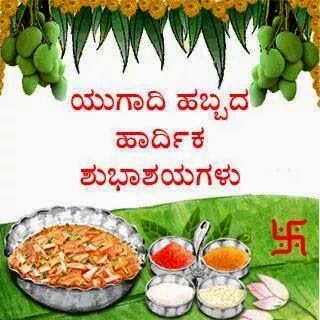
Yugadi (युगादि पर्वः) 5116th year of 1937 shalivaahana shaka

What is Yugadi?-

Yuga + aadi  = Yugadi – Meaning starting day  of yuga.   i.e.,  Yuga  = era,      Aadi = beginning.
It is the starting day of Kaliyuga.
Kali Yuga began on Feb 20, midnight 3102 BC.   Kaliyuga started the day when Sri Krishna paramathma  finished his avatara of dusta jana bhanjana at Dwaraka and at the same time Duryodhana breathed his last.
There are 4 yugadees.
Vaishaka Shukla Triteeya – Tretayuga
Bhadrapada Krishna Trayodashi – Kaliyuga
Kartika Shukla Navami – Krutayuga
Maga Shukla pournami – Dwaparayuga
(Brahma did the srusti of this world in suryodaya kaala on Chaitra Shukla Paadya – that is why it is termed Yugadi)
Yugadi as per Kaliyuga starta from Chaitra Shudda Paadya (Vasanta Rutu) “Samvatsara” means varsha, i.e., year.  As per Hindu tradition, there are 60 samvatsaraas, each has different names. As per pouranika belief, we are in the 51st year of Chaturmukha Brahma.   One day of Chaturmukha brahma =   chaturyuga sahasraani brahmaNO dinamuchyatE – 4 Yugachakras to be rotated 1000 times.    One time rotation of yugachakra would be 4320000 years.  In Brahma’s one morning, there will be 14 manvantaraas.  Now, we are in the seventh manvantara, the Vaivasvata Manvantara.  Out of 432000 years, only 5115 years have been completed and we are in the 5116th year.  We are in the 1937 Shaalivaahana Shaka.  That is a shaka based on the date of founding of the empire by Shalivahana,   The initiation of the era known as Shalivahana Saka to celebrate his victory against the Sakas in the year 78AD.

On this day, we have to get up at Arunodayakala itself (daily we have to get up at Arunodaya kaala) with bhagavannamasmarane – we have to take abhyanjana snaana.    We have to get the idols of Srihari with Abhyanjana snaana  using Oil and seegepudi (sheekakai).    After doing the same the remaining portion of oil and seegepudi to be used for our oil bath.
We must have the smarane of sapta chiranjeevigalu –
ashwathaamaa balirvyaasa: hanUmaanscha vibhIShaNa: |
kRupa: parashuraamaScha saptaitE chiranjIvina: |
अश्वत्तामा बलिर्व्यास: हनूमांश्च विभीषण: । कृप: परशुरामश्च सप्तैते चिरंजीविन: ।

ಅಶ್ವತ್ತಾಮಾ ಬಲಿರ್ವ್ಯಾಸ: ಹನೂಮಾಂಶ್ಚ ವಿಭೀಷಣ: | ಕೃಪ: ಪರಶುರಾಮಶ್ಚ ಸಪ್ತೈತೇ ಚಿರಂಜೀವಿನ: |

After this, we have to do the vishesha pooja Then we must have the panchangashravana brahmana mukhena.
If in the morning it is not possible, then we can do the same in the evening also.  We will get the punya of Gangasnaanadhi punya with the panchanga shravana
Bevu bella  Samarpane –    During Naivedya we must do the samarpana of Bevu-bella (nimbaka dala) and after samarpana to Srihari, Lakshmidevaru, Mukyapraanadigalu, we have to take that Bevu – bella by chanting the following mantra
shataayurvajradEhaaya sarvasampatkaraaya cha |
sarvaariShTavinaashaaya nimbakadaLabhakShaNam |
शतायुर्वज्रदेहाय सर्वसंपत्कराय च । सर्वारिष्टविनाशाय निंबकदळभक्षणम् ।

ಶತಾಯುರ್ವಜ್ರದೇಹಾಯ ಸರ್ವಸಂಪತ್ಕರಾಯ ಚ | ಸರ್ವಾರಿಷ್ಟವಿನಾಶಾಯ ನಿಂಬಕದಳಭಕ್ಷಣಮ್ |

Meaning – With the bhakshana of Nimbaka dala (bevu-bella, Our body will be fit and strong as a Diamond and it is sarvaarista naashaka.  It raises our ayassu.)

Ingredients required – Jaggery, Bevu (neem), water,
How to prepare? – We have to clean the neem leaves, grind with a bit of water and mix jiggery into it,   Bevu-bella mixture is ready.   This we have to take after taking Theertha on the Yugadi Day.
Bevu or Neem leaf preparation symbolically represents the different facets of life – sweet and bitter experiences of life.  Bevu Bella is just a simple mixture of fresh neem leaves and unprocessed broken jaggery.  It ls symbolic to  welcome the new year by first taking a mixture of neem flowers (Bevu) and jaggery  (bella),  which represents that we treat the bitterness and sweetness of life alike. Its significance is that life is a mixture of joys and sorrows and we should accept both in the right spirit.
Why is  Panchanga shravana required?
ಪಂಚಾಂಗ ಶ್ರವಣ ಫಲ

Panchanga = 5 angaas = tithi (day)+ Vaara (week) + Nakshatra (star) + Yogaa + Karana.
By knowing the Tithi for the day - We will get wealth (shriya)
By knowing the "Week" for the day - We will have vruddhi in ayushya
By knowing the "Nakshatra" - Our sins will be destroyed
By knowing the "Yogas" -  "Rogaas (diseases) will be removed"
By knowing the "Karana" - Karyasiddi
In this way the panchanga shravana brings us good to every one who hears/reads
ತಿಥೇಶ್ಚ ಶ್ರಿಯಮಾಪ್ನೋತಿ ವಾರಾದಾಯುಷ್ಯವರ್ಧನಂ |
ನಕ್ಷತ್ರಾದ್ಧರತೇಪಾಪಂ ಯೋಗಾದ್ರೋಗನಿವಾರಣಂ |
ಕರಣಾತ್ಕಾರ್ಯಸಿದ್ಧಿಂ ಚ ಪಂಚಾಂಗ ಫಲಮುತ್ತಮಂ |
ಯ:ಶೃಣೋತಿ ಮಧುಶುಕ್ಲಪಕ್ಷಕೇ ವರ್ಷನಾಥ ಸಚಿವಾದಿಕಂ ಫಲಂ |
ಪ್ರಾಪ್ನೋಯಾದ್ದುರಿತ ಮುಕ್ತವಿಗ್ರಹಶ್ಚ ಆಯುರರ್ಥಮತುಲಂ ಯಶಸ್ಸುಖಂ |
ಆಯುರ್ವೃದ್ಧಿಂ ಪುತ್ರಪೌತ್ರಾಭಿವೃದ್ಧಿಂ ನಿತ್ಯಾರೋಗ್ಯಂ ಸಂಪದಂಚಾನಪಾಯಾಂ |
uiಅಚ್ಚಿನಾನಾಮುತ್ಸವಾನಾಮವಾಪ್ತಿಂ ಯಚ್ಚಂತ್ಯೇತೇ ವತ್ಸರಾಧೀಶ ಮುಖ್ಯಾ: |
पंचांग श्रवण फल

तिथेश्च श्रियमाप्नोति वारादायुष्यवर्धनं ।
नक्षत्राद्धरतेपापं योगाद्रोगनिवारणं ।
करणात्कार्यसिद्धिं च पंचांग फलमुत्तमं ।
य:शृणोति मधुशुक्लपक्षके वर्षनाथ सचिवादिकं फलं । प्राप्नोयाद्दुरित मुक्तविग्रहश्च आयुरर्थमतुलं यशस्सुखं । आयुर्वृद्धिं पुत्रपौत्राभिवृद्धिं नित्यारोग्यं संपदंचानपायां । अच्चिनानामुत्सवानामवाप्तिं यच्चंत्येते वत्सराधीश मुख्या: ।
పంచాంగ శ్రవణ ఫల

తిథేశ్చ శ్రియమాప్నోతి వారాదాయుష్యవర్ధనం | నక్షత్రాద్ధరతేపాపం యోగాద్రోగనివారణం | కరణాత్కార్యసిద్ధిం చ పంచాంగ ఫలముత్తమం |
య:శృణోతి మధుశుక్లపక్షకే వర్షనాథ సచివాదికం ఫలం | ప్రాప్నోయాద్దురిత ముక్తవిగ్రహశ్చ ఆయురర్థమతులం యశస్సుఖం | ఆయుర్వృద్ధిం పుత్రపౌత్రాభివృద్ధిం నిత్యారోగ్యం సంపదంచానపాయాం | అచ్చినానాముత్సవానామవాప్తిం యచ్చంత్యేతే వత్సరాధీశ ముఖ్యా: |

ಸಂಕ್ಷಿಪ್ತ ಸಂವತ್ಸರ ಫಲ -

Shree manmathanaama  samvatsara Raaja, mantri, etc details shaaleevaahana shaka 1937
(As per Chandramaana reetya)
Kaliyuga  – Vikrama Shake 2072-2073, kalyaadigataabda -5116
Nakshatra kandaaya phala
raaja shani
mantri maMgaLa
sEnaadhipa maMgaLa
Poorva sasyaadhipa shukra
Para sasyaadhipa maMgaLa
Rasaadipa ravi
Dhanyaadipa budha
Neerasaadipa shukra
Arghyaadipa maMgaLa
Meghadipa mnaMgaLa
Pashwaadipa shukra

Nakshatra prathama dwiteeya triteeya
Ashwini 4 0 0
BharaNi 7 1 3
Kruthika 2 2 1
Rohini 5 0 4
Mrugashira 0 1 2
Ardra 3 2 0
Punarvasu 6 0 3
Pushya 1 1 1
Ashlesha 4 2 4
Magha 7 0 2
Poorva phalguni 2 1 0
Uttara phalguni 5 2 3
Hasta 0 0 1
Chitta 3 1 4
Swathi 6 2 2
Vishaka 1 0 0
Anuraadha 4 1 3
Jyesta 7 2 1
Moola 2 0 4
Poorvashada 5 1 2
Uttarashada 0 2 0
Shravana 3 0 3
Dhanista 6 1 1
Shatabisha 1 2 4
Poorvabhadra 4 0 2
Uttarabhadra 7 1 0
Revathi 2 2 3
This year there are Two grahanaas,. 
04.04.2015 in Hasta Nakshatra – (Chaitra Shudda Hunnime) Shanivaara and again on 09.03.2016 in Poorvabhadra nakshatra on Magha Krishna Amaavaasye Budhavaara.      One more Chandragrahana on 28.09.2015 is not visible in India.  As such, we need not follow.
Adhikamaasa  –  Ashada maasa  17.6.2015  to 15.07.2015
Chaturmaasya vratha  – starts from 26.7.2015 to 23.11.2015
Dhanurmaasa –   17.12.2016 to 14.01.2016
Vishnupanchaka vrata grahana – This year for those who intends to start Vishnu panchaka, they can do it,  –  Bhadrapada maasa and Maargashira maasa
Bheeshma Panchaka Vratha  – 22.11.2015 to 25.11.2015
Mahalaya Maasa   – 28.09.2015 to 12.10.2015
Important fastivals  –  
Yugadi   21.03.2015             Ramanavami  28.03.2015   
Akshaya Triteeya   21.04.2015
Narasimha Jayanti 02.05.2015;   
Naagara Chaturthi     18.08.2015    Varamahalakshmi Vratha  28.08.2015   Rugveda upakarma  28.08.2015  Yajurveda Upakarma  29.08.2015
Rayara Aradhana 30.08.15, 31.08.15, 01.09.15
Krishna Jayanthi   05.09.15     Svarnagauri Vratha  16.9.2015    Ganesha Chatruthi    17.9.2015
Rushi Panchami 18.9.2015     Anantha Chaturdashi   27.9.2015    Sharannavaraatri   starts 13.10.2015
Saraswathi Avaahane   19.10.2015   Saraswathi Pooje 20.10.2015    Vijaya dashami  22.10.2015
Naraka Chaturdashi  10.11.2015   Deepavali Amavasye 11.11.2015   Balipaadyami  12.11.2015
Uttaana Dwadashi 23.11.2015    Hanumadvratha   23.12.2015    Makara Sankramana  15.01.2016
Ratha Saptami  14.02.2016    Madhvanavami    16.02.2016  
Shivarathri  07.03.2016           Holi Hunnime   23.03.2016

Monday, October 10, 2011

Dasara Dolls at Sandhya Jayaram's house - year 2011

This one is again an album against Dasara Dolls, the arrangement is at my Chikkamma (Aunt)'s house. Smt. Sandhya Jayaram, with the complete help of her family, had arranged a number of dolls, her younger son Adarsh had prepared models of Castle, Race track, etc. which were kept in the arrangement, such home made arts are also considered to be a part of the Bombe Habba.
Dasara Dolls at Sandhya Jayaram's House - 2011

Dasara at Ajji Mane - Year 2011

Following the posts related to Dasara Dolls, this is the second Set of Dolls that were arranged at my maternal grand mother (B. R. Vanajakshi)'s House.
Ajji Mane - Dasara Dolls 2011

Friday, October 7, 2011

Dasara at home - Year 2011

Following my post on Dasara Dolls - http://pranavasagar.blogspot.com/2011/10/bombe-habba-golu-kolu-dasara-dolls.html,  Here is the first album the Dasara Bombe habba at my home.
Dasara at home - Year 2011

 Thanks to My Ammaa (Mother) B. R. Gayathri Devi and Tangi/BhaginI (younger Sister) Samhitha  N For their time from work and studies, to get the dolls arranged and well designed artificial steps. 

Bombe Habba, Golu, Kolu, Dasara Dolls Festival


The Dasara Dolls Festival is a 10 Days long festival that generally falls between end of September to start of November, depending on the Lunar calendar. The Festival is commonly called as Bombe Habba, Golu or Kolu

The Festival is celebrated in the first nine days of the Sharad Rutu (Ritu – meaning season) that falls in the Ashvija maasa’s (maasa is a month) first Forth night. People in South India, especially Karnataka, some parts of Andhra Pradesh and Tamil Nadu Celebrate Dasara by worshipping the Goddess Durga as KaLi Durga, Lakshmi Durga and Saraswathi Durga; respectively between the days 1-3, 4-6, 7-9. The nights between 1st and the 10th Days are Celebrated as Navaratri (Nine Nights) which is considered as sacred nights when the Goddess won over a number of Asuras/Raakshasas (Daemons).

The 10th Day is Celebrated as Vijaya Dashami (10th Day against Complete Victory of the Goddesses over the Daemons). There are many stories against Vijaya Dashami, as Rama’s Victory over Ravana, etc. Finally it is the Victory of goodness over bad that is celebrated as Vijaya Dashami.

Coming to the Dolls of Dasara, this is a traditionally carried out festival. The main Dolls are a natural Family Pair of Humans, generally considered as Husband and Wife, called as Pattada Gombe, or Pattath bommaikal; referring to the main dolls of the festival. These are dolls that are generally handed over to the daughters of a family during her marriage to start her own family and also carry on the tradition. The Pattada Gombe are made of wood. they are either dressed well using colour papers, or even Silk materials, the Dolls are dressed according to the Classical/traditional costumes of the family (We could see some dressed in Suits as Shorts as well referring to cross culture.) but the one dressed in Indian costumes with heavy works on them as well as the Folding and designs catches the eyes to check the patience of the person who dressed it as well how their tradition is preserved even with the dolls.

IMG_0039
Dasara Dolls at B. R. Gayathri Devi's House - 2011

Going ahead, the Pattada gombe is surrounded with a number of dolls, some are statues of gods while other are decorative dolls, you could even see Dolls that tell stories like the Pancha-tantra, Thirsty crow, etc., one can also find the dolls that reflect our tradition like the marriage group, the Band set, Mysore – Dasara depiction, Temples, Places of India (even world), Family tree doll (Dolls that come within one another to a long series.), Praying a serpent, processions of Gods, Sports sets, Indian leaders, a village, Shashtyaabdhi purthi (Celebration of Completion of 60th year). Dolls depict epical stories of Ramayana, Mahabharata, Krishna Leela, Tiruvelaiyaadal (the playing of gods as humans), etc.
The dolls come as sets or single dolls, they are mostly made by hand, for bulk manufacturing, moulding is used, they could be made of Clay, mud, wood, porcelain, Plastic, beads, or any material that could be turned as even a part of a doll.

Most of the Houses the dolls are kept in steps, some of them arrange it as sets, some arrange them as stories, and some arrange as they want to. In any such arrangement, you could see at least one Kalasa (a container with water, leaves and a fruit – generally a coconut on it), the Pattada Gombe and at least one form of Lord Vishnu and Lord Shiva, Forms of the Godess Maha Shakti (Durga, Lakshmi, Saraswathi, etc.).

I had been to houses where the arrangement was on small steps but on wider area, around 13+ steps starting from the edge of their roof till the floor where the Volume of the house was less, perpendicular arrangements, etc. but visiting them at least once in a year could tell you about the talents and patience of the people who do such arrangements.

Dolls are not the end. I remember in my child hood, I used to carry a lot of eatables (snacks) from my neighbours during Dasara, between (1991-2000), but saw a drastic change since then, people either stopped or reduced keeping Dolls in most of the paces and the zeal was lost, this not only reduced the flow of small delicious eatables but also drought down healthy neighborliness. Thanks to the TV and Print Media, their initiatives brought in the fervour back in 2008. I get the snacks back on evenings by going to neighbours and relatives’ places to see their art against Dasara Dolls.

I have seen the Dasara Dolls since my 1st year (though I might not be knowing/understanding what it was then), my mother has been keeping it for 24th year now. I have been buying dolls for her since I started working (in fact some part of my Salary is saved for that as well as budget is also important.)
I would be placing albums against the Dasara dolls' pics that I took this year at around 8 places (due to busy office schedules, I could not travel to many homes and increase my collection). Along with that there would be pics of Sri Sharadaamba at , that were taken during Navaratri with the Goddess in different Alankaara(s). Also some of the pics I took at Maa Durga Pooja celebrations by Bihar brothers and sisters near Puttenahalli, Bangalore.

Sunday, October 2, 2011

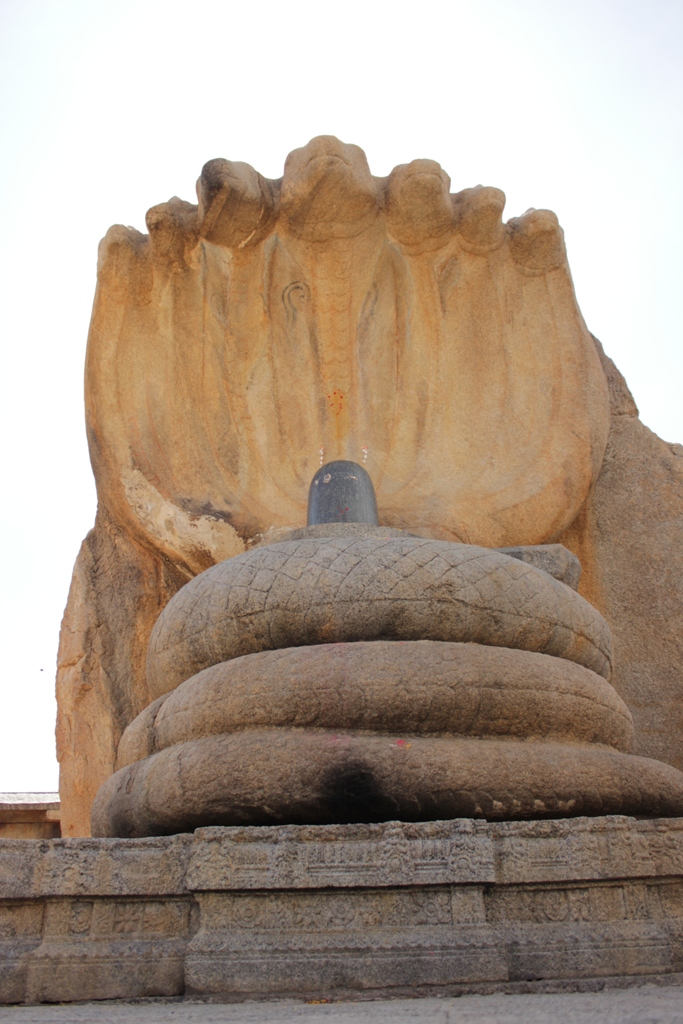
HDR Photography - My First attempt on - Lepakshi monolitic Nagalinga

HDR is not a greatest art to master until you know what it is.

There are a number of sites that could help you learn HDR. In simple steps, you just get an HDR generated by an image taken with more than one exposure, Darker, medium tone, and lighter. You could use a stitching tool to Stitch them together into a single photo, or use Adobe Photoshop to generate HDR or Use Windows Live Photo Gallery to Fuse the Photo, or use very high-end software for creating HDR. I used wiki to understand it.

You could find minute differences with how each software works and gets you the pics. but you would have to choose the best one to put up on your album.
I was inspired by the below picture of the Lepakshi Sculpture:


This was a HDR, you could see the best lighting against all the locations. I took my Bike to a ride to Sri Virabhadra Temple, Lepakshi (Karnataka-Andhra Pradesh border) from Bangalore. It was a decent ride with my cousin Balaji. We shared the ride in order to ensure that we do not get tired.
Reaching there I first found the below sign board that let me take many photos at the temple without paying for my own photography.


I, first used the stitch method to get the below images converted to Stitched HDR:
This gave me the image Stitched Image: 
Monolitic Nagalinga - Stitched Image 
The Main Images were next Fused with the below Images:
The Fused Image was generated using Windows Live Photo Gallery Editor Console:

Monolitic Nagalinga Fused
Finally I used Adobe Photoshop to generate the HDR with all the Original images that included the below one as well.

HDR Result is:
Lepakshi monolitic Nagalinga HDR
Ah.. Please note, the Light on the serpent head is not from any additional effects. That was the natural light source for the Mother Earth, it was the SUN who helped me a lot in getting these photos, and posts on the blog.

I remember, this is my second post that I have typed for long time. My vocabulary is not too good. I rarely post as well. but hope this is something that could help out people in their photographic skills as well.

Further if you are in India, or you'll be in India. Please visit Lepakshi, this Structure is said to be built by one great Sculptor, who had nothing to do while his beloved mother was preparing food from him. He thought Idle mind is Devil's workshop, so the Sculptor carved this marvelous stone serpent with Siva-linga in the middle. His mother was astonished at the ability of her son and exclaimed against this. Alas! the was a crack created in the Snake's body. We could even today recognize that there was a crack on the body of the Snake on this statue if carefully observed (they have been patched up by cement like material).
This was a story I heard from my beloved Grand Mother. There is an inscription (mostly in Telugu if I had observed that properly) along one of the sides of the Prakaram of the temple, this was not exactly read by me, possibly that would have mentioned the actual story. 

Find Lepakshi on Google Maps here.

Indian e - Post Office

ePostOffice
Electronic Post Office!!


The government could have kept it as Virtual Post Office instead of Electronic Post Office


I had not thought about this concept earlier, but was amazed when I Saw ePostOffice for the first Time.
Indian Post Office has already come up with such a website. Philatelists - you have a great time purchasing stamps from here, the office is virtual, you have information desk, IMO desk, Philately desk, you could place orders from online using Debit and Credit Cards as well.

Check in https://www.epostoffice.gov.in/

It also has easy registration.
This is a good start for ePostOffice, still a long way to go.
The site has some UI corrections to be done, hope they ll be fixed soon.

I have purchased the Stamps from here, they were sent in speed post in decent time. The PO charges for the Speed post from you during the payment itself. So it is better you place a bulk order. Further the associated Gateway Bank also charges against the transactions, but this is not a large amount, you could get that by not having an ice-cream or a coffee.
Philately Section

Office View
Office Navigation

Sunday, August 29, 2010

around 3 to 4 Months ago I Hosted my wildindia Project

My team web project wildindia was finally hosted online at the web url http://wildindia.x10.bz the site gives information about the wildlife of India and some useful links are porvided. This was done as a project with very little information that the team had collected and was organized to form a website.